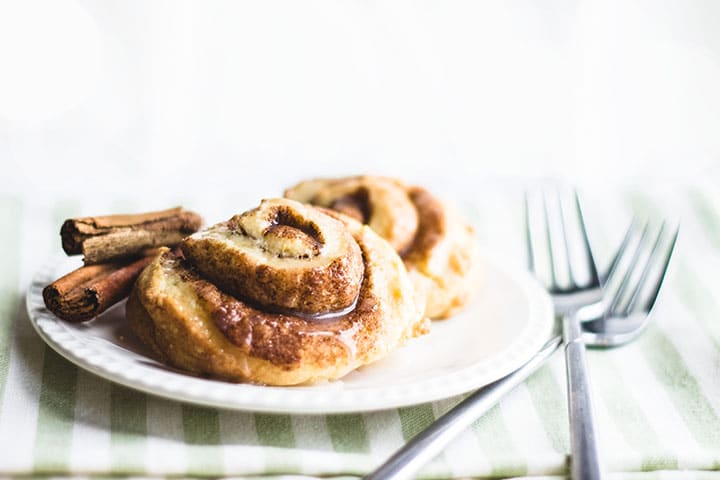
Unlocking the Magic of Flaky Cinnamon Swirl Scones & Buttery Glaze
Imagine biting into a perfectly golden, tender pastry, its layers flaking apart to reveal pockets of warm, spiced cinnamon sugar, all crowned with a luscious, buttery glaze. This isn't just a dream; it's the reality of creating exquisite cinnamon swirl scones. These delightful treats masterfully blend the comforting richness of classic cinnamon buns with the delicate, crumbly texture of a traditional scone, resulting in a combination that truly feels like a little piece of heaven on your plate. For many, the inspiration behind these beloved scones often stems from a craving for something sweet and satisfying, without the multi-hour commitment of yeast-risen cinnamon rolls. They hold a special place in our hearts, born from those spontaneous moments – perhaps a child's early morning request for cinnamon buns, or a desire to recreate the warmth of an afternoon tea experience, like the memorable one in Edinburgh Castle, right in your own home. While some may argue cinnamon isn't *always* the answer, when it comes to these spectacular Cinnamon Swirl Scones: Your Quick Cinnamon Roll Twist, it absolutely is!The Art of the Flaky Scone: Mastering the Dough
The secret to truly exceptional cinnamon swirl scones lies in understanding the science of flakiness. The foundational principle? Cold butter, always. This isn't merely a suggestion; it's the cornerstone of a lofty, tender scone. When tiny pieces of cold butter are incorporated into the flour, they create pockets within the dough. As the scones bake, this butter melts and releases steam, pushing apart the layers of dough and creating those signature light, airy, and crispy flakes that define a perfect scone. Here’s how to master the dough:- Keep it Cold: Start with butter that's well-chilled, cut into small cubes. For an extra edge, especially if your kitchen tends to be warm, pop your butter into the freezer for 10-15 minutes before you begin. You can even freeze your dry ingredients (flour, sugar, baking powder) for a short while to help maintain a low temperature throughout the mixing process.
- The Cutting Technique: Use a pastry blender, two knives, or even your fingertips to "cut" the cold butter into the dry ingredients. The goal is to break the butter into pea-sized pieces, ensuring they are evenly distributed but still distinct. Avoid overworking the mixture; you don't want to melt the butter or develop the gluten too much.
- Gentle Mixing: Once the liquid (usually milk or cream) is added, mix just until the ingredients come together to form a shaggy dough. Over-mixing is the enemy of a tender scone, as it develops gluten, leading to a tough, dense texture instead of that coveted melt-in-your-mouth flakiness.
- Handling with Care: Turn the dough out onto a lightly floured surface and gently pat it into your desired shape – typically a rectangle or circle – rather than aggressively kneading or rolling. The less you handle the dough, the more tender your scones will be.
The Irresistible Swirl & Buttery Glaze: Elevating the Flavor
While the dough provides the canvas, the cinnamon swirl and the subsequent buttery glaze are what truly make these pastries shine, transforming them into decadent Homemade Cinnamon Swirl Scones: Perfect for Teatime Treats.The Dynamic Cinnamon Swirl
Unlike simply mixing cinnamon into the dough, creating a distinct swirl offers a burst of concentrated flavor and a stunning visual appeal. By rolling out the scone dough, spreading it with a thin layer of softened butter, and then sprinkling it generously with a cinnamon-sugar mixture, you achieve pockets of intense, caramelized spice within each bite. When the dough is then rolled up and sliced, these layers are exposed, creating the iconic swirl pattern. This method ensures that every flake of your cinnamon swirl scones carries a powerful punch of sweet cinnamon goodness, rather than a muted, evenly distributed flavor.The Indulgent Buttery Glaze
A perfectly balanced glaze is the crowning glory of these scones, adding a final layer of sweetness, moisture, and indulgence. It's not just about aesthetics; a well-made glaze elevates the entire experience. This rich glaze typically combines powdered sugar with softened butter, a touch of milk or cream, and sometimes a hint of vanilla extract. The butter in the glaze is key, contributing a luxurious mouthfeel and enhancing the overall richness of the scone. For best results, drizzle the glaze over the scones while they are still warm, but not piping hot. This allows the glaze to melt slightly and seep into the nooks and crannies, adhering beautifully and creating a slightly crisp, sweet shell as it sets. The contrast between the warm, soft scone and the delicate, buttery glaze is what makes these cinnamon swirl scones an unforgettable treat.Beyond the Basics: Tips for Scone Success & Creative Twists
Making delightful cinnamon swirl scones is a rewarding experience, and with a few extra tips, you can ensure consistent success and even explore exciting variations:- Serve Fresh and Warm: Scones, especially those with such delicate flakiness, are undoubtedly at their best when served fresh from the oven, still warm. The aroma alone is enough to entice!
- Fruity Flair: For an additional layer of flavor and texture, consider adding dried fruit to your dough. Raisins are a classic choice and pair wonderfully with cinnamon. Simply fold them into the dough before you pat it out for the swirl. Dried cranberries or chopped dried apples could also be delicious.
- Precision Baking: Scones bake relatively quickly. Keep a close eye on them towards the end of the baking time. They should be golden brown on top and firm to the touch. An internal temperature of around 200-210°F (93-99°C) is a good indicator of doneness.
- The Right Cut: While round scones are traditional, cutting your dough into wedges after patting it into a circle is a simple and efficient method, creating equally delicious results without any wasted scraps.
- Salt is Your Friend: Don't forget a pinch of salt in your scone dough. It balances the sweetness of the cinnamon sugar and glaze, enhancing all the flavors.
Preserving Perfection: Storing and Freezing Your Cinnamon Swirl Scones
While cinnamon swirl scones are undeniably best enjoyed fresh from the oven, sometimes you'll have leftovers, or perhaps you want to get ahead. Thankfully, scones freeze beautifully, offering the convenience of warm, homemade treats whenever the craving strikes.Storing Baked Scones:
If you have baked scones without glaze, allow them to cool completely. Transfer them to an airtight container and store at room temperature for up to 1-2 days. To refresh, warm them gently in a toaster oven or microwave before glazing.
Freezing Unbaked Scones (Your Secret Weapon for Freshness!):
This method is a game-changer for spontaneous scone cravings. Prepare your cinnamon swirl scones right up to the point of baking. Place the cut, unbaked scones on a baking sheet lined with parchment paper. Flash freeze them until they are solid (this prevents them from sticking together). Once frozen, transfer them to an airtight, freezer-safe container or bag. They will keep well for up to 3 months.
- To Bake from Frozen: There's no need to thaw! Simply preheat your oven and bake the frozen scones according to your recipe instructions, adding an additional 3-4 minutes to the total baking time. This allows you to enjoy the unparalleled deliciousness of a warm, freshly baked scone any day of the week with minimal effort.
Freezing Baked Scones:
If you have baked too many scones, or want to prepare them in advance, you can freeze them after baking (but before glazing). Allow the freshly baked scones to cool completely. Place them in an airtight, freezer-safe container or bag. They can be frozen for up to 3 months. When ready to enjoy, thaw them at room temperature, then warm them gently in the oven for a few minutes before applying the buttery glaze.
